
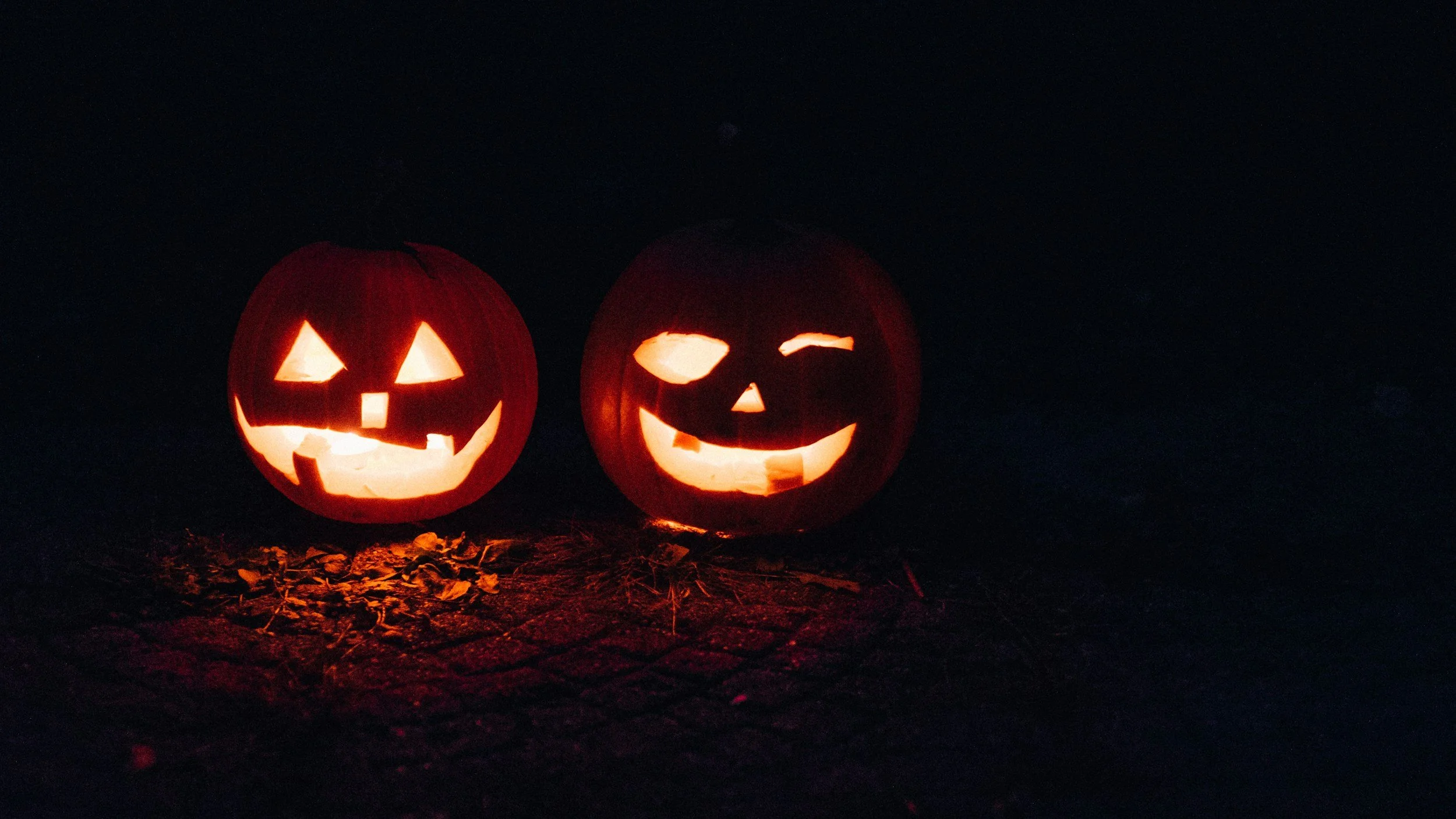
Halloween is almost here. The leaves are turning golden yellow, orange and brown, dusk is arriving earlier, and there’s a distinct crispness to the October air. The decorations are up, the pumpkins are carved, and now it’s time to buy the sweets!
For many children with food allergies, Halloween can feel scary, overwhelming and even lonely. And every child deserves to feel included. The good news is that a few small, kind actions can make a big difference.
What Are the 14 Major Food Allergens in the UK?
celery
cereals containing gluten (wheat, barley, rye and oats)
crustaceans (such as prawns, crab and lobster)
eggs
fish
lupin
milk
molluscs (such as mussels and oysters)
mustard
peanuts
sesame
soybeans
sulphur dioxide and sulphites
tree nuts (such as almonds, hazelnuts, walnuts, Brazil nuts, cashews, pecans, pistachios and macadamia nuts).
4 Simple Ways to Make Trick or Treat Allergy Friendly
Choose to be curious
If your neighbourhood has a group chat or Facebook page, a friendly note can go a long way. Try something like: “I’m getting ready for Halloween and want to make sure everyone feels included this year. Drop me a message if your little one has any food allergies or intolerances.”
Keep treats in labelled, separate bowls
Cross-contamination can cause an allergic reaction. Consider keeping treats containing peanuts and tree nuts, milk and any other common allergens in their own labelled bowls. This thoughtful step helps families make an informed choice.
Keep the ingredient labels
You can absolutely bin the packaging once the night is over! Until then, hold on to it. Sweets can look very similar but contain different ingredients, and many “fun size” bags don’t list them on each wrapper. Recipes can also differ between fun size and standard bars, so it’s worth checking each year.
Offer non-food treats
If you’re feeling unsure, or simply want to keep things easy, non-food treats are a lovely option. Think stickers, glow sticks, spooky pencils, mini erasers, bouncy balls, temporary tattoos or little plastic spiders. Many families also place a teal pumpkin outside their door as a sign that they have non-food treats available. Offering a small basket of these alongside your sweets means every child gets to choose, and every child leaves with a smile.
A Final Thought: Halloween That Welcomes Everyone
You don’t need to get everything perfect. A little curiosity, a few labelled bowls and a basket of glow sticks can turn a nervous night into a magical one. Happy Halloween! 🎃

Daniella Doon-Joseph is a BABCP accredited Cognitive Behaviour Therapist & EMDR Therapist and an allergy mum herself. She specialises in maternal mental health and helping allergy parents to navigate the anxiety and overwhelm of living with food allergies.
Ready to take the next step? I’d love to hear from you.